Already have a grinder?
Keep it if it makes a grind your brewer and recipe can use. You do not need a newer grinder just because a bag is whole bean.
Do you actually need a grinder?
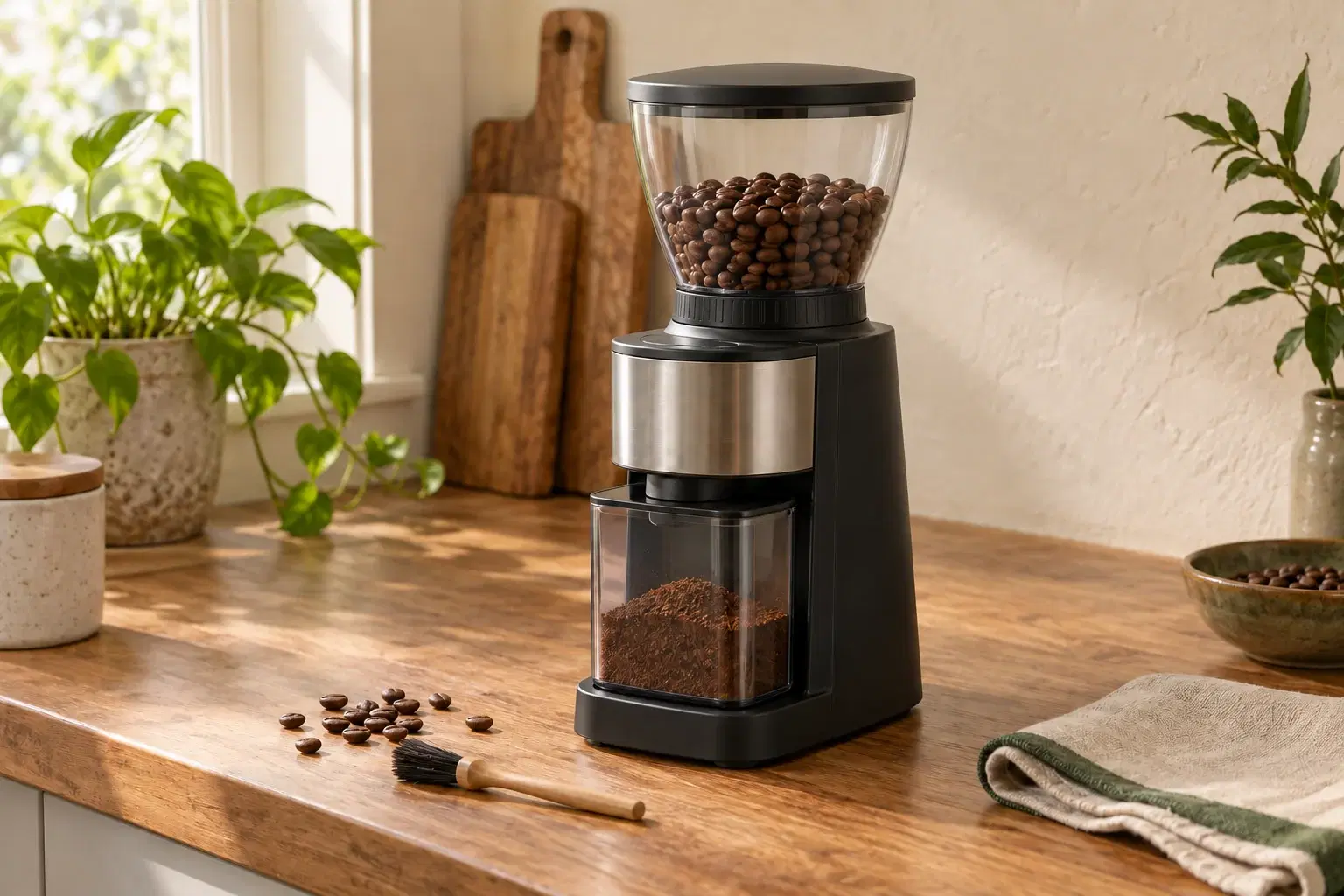
Start with the brewer on your counter and the work you want to do before coffee. If suitable ground coffee fits the recipe, a grinder can stay off the shopping list. Whole bean is useful when you already have grinding covered or want a particular grind the available bags and services do not offer.
Choose your easiest good cup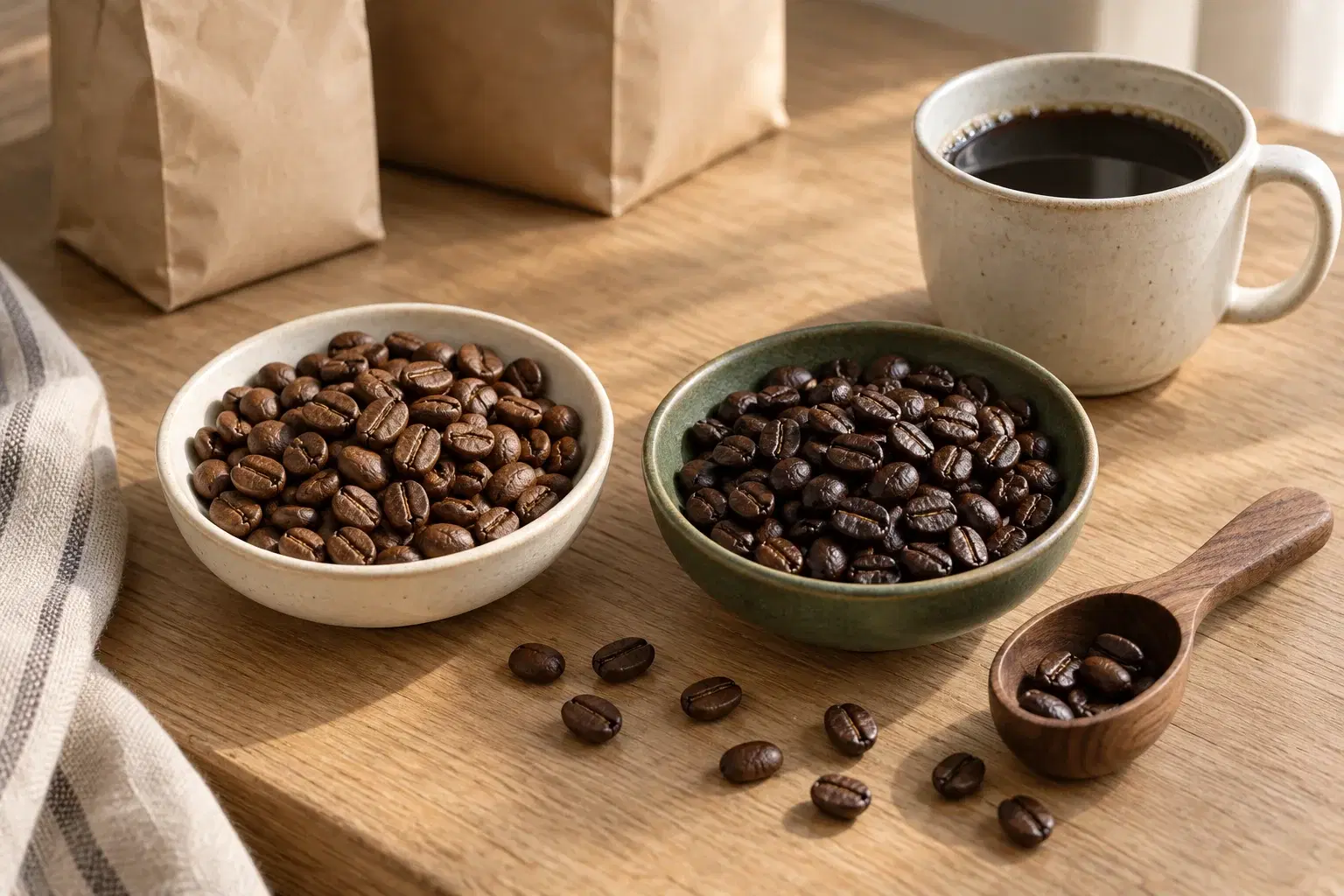
Keep it if it makes a grind your brewer and recipe can use. You do not need a newer grinder just because a bag is whole bean.
Choose a bag labeled for that brewing method, then confirm the format on the exact coffee. “Ground” alone may not tell you the grind size.
See coffee in both formatsAsk whether a local roaster or coffee bar will grind that coffee for your brewer. Confirm before making the trip or ordering.
Begin with what you own. Give a new grinder a specific job before giving it counter space.
| Decision | What to check | A sensible next step |
|---|---|---|
| You have a working grinder. | Can it produce the grind your brewer and recipe call for? Do you use it enough to justify the counter or cupboard space? | Keep it. Follow its manual and use the brewer’s recipe as your starting point. |
| A suitable ground format is available. | Does the bag name your method, such as drip or French press? Is the grind right for your specific brewer? Check the roaster’s description, not just the roast name. | Buy the format you can use. For example, Ground Hair Bender (new tab) (affiliate link; we may earn a commission) is prepared for drip. Choose a bag size that suits how often you brew, and reseal the package after opening. |
| A roaster or coffee bar offers grinding. | Will they grind the coffee you want, to a size suitable for your brewer? Is that service available at this location and today? | Ask first. If the answer is clear, you can bring home the coffee ready to brew without adding equipment. |
| You have a specific unmet need. | Do you need a grind not offered pre-ground or by a service, switch methods often, or want to grind close to brewing? Is that benefit worth the cost, space and extra step? | Consider a grinder only after naming the need. Compare the controls and care in our grinder guide before choosing a model. |
Start with the brewer’s instructions or recipe. Ask the roaster: “Which grind should I choose for this exact brewer?” Then check whether that option appears for the coffee and bag you are ordering. A seller’s “drip” option may suit many automatic brewers, but a brewer or recipe can call for a different grind. Do not assume settings translate between grinder brands.
For one concrete example, CHEMEX recommends medium-coarse grounds and explains that grounds that are too coarse can pass water too quickly, while grounds that are too fine can slow or clog the filter. That is advice for CHEMEX, not a universal setting. If your cup is not working, change one variable at a time using your brewer’s guidance.
If you choose a grinding service, ask for the method by name and confirm the service before relying on it. Peet’s describes custom grind options online and at its coffee bars, including a barista grinding beans for a chosen method. Other shops may offer different services, and availability can vary.
Grinding increases coffee’s exposed surface area, which can speed aroma loss. The Specialty Coffee Association’s freshness review discusses that effect, while roasters also sell ground coffee for the convenience of skipping a step. Whole bean may suit you if grinding is easy and you value doing it close to brewing. Ground coffee may suit you better if it makes your morning reliable. For one ready-ground example, Ground Holler Mountain (new tab) (affiliate link; we may earn a commission) is listed for automatic drip and pour-over. Neither format guarantees a cup you prefer.
For either format, close the package or use an airtight container, and keep coffee away from moisture, direct sun and heat. Stumptown recommends room-temperature storage away from sunlight and moisture. Choose an amount you can comfortably use and follow the roaster’s own storage guidance. There is no single shelf-life countdown that fits every coffee, package and kitchen.
These Stumptown bags are 12 oz and sold as one-time purchases. Check the exact grind against your brewer before ordering.
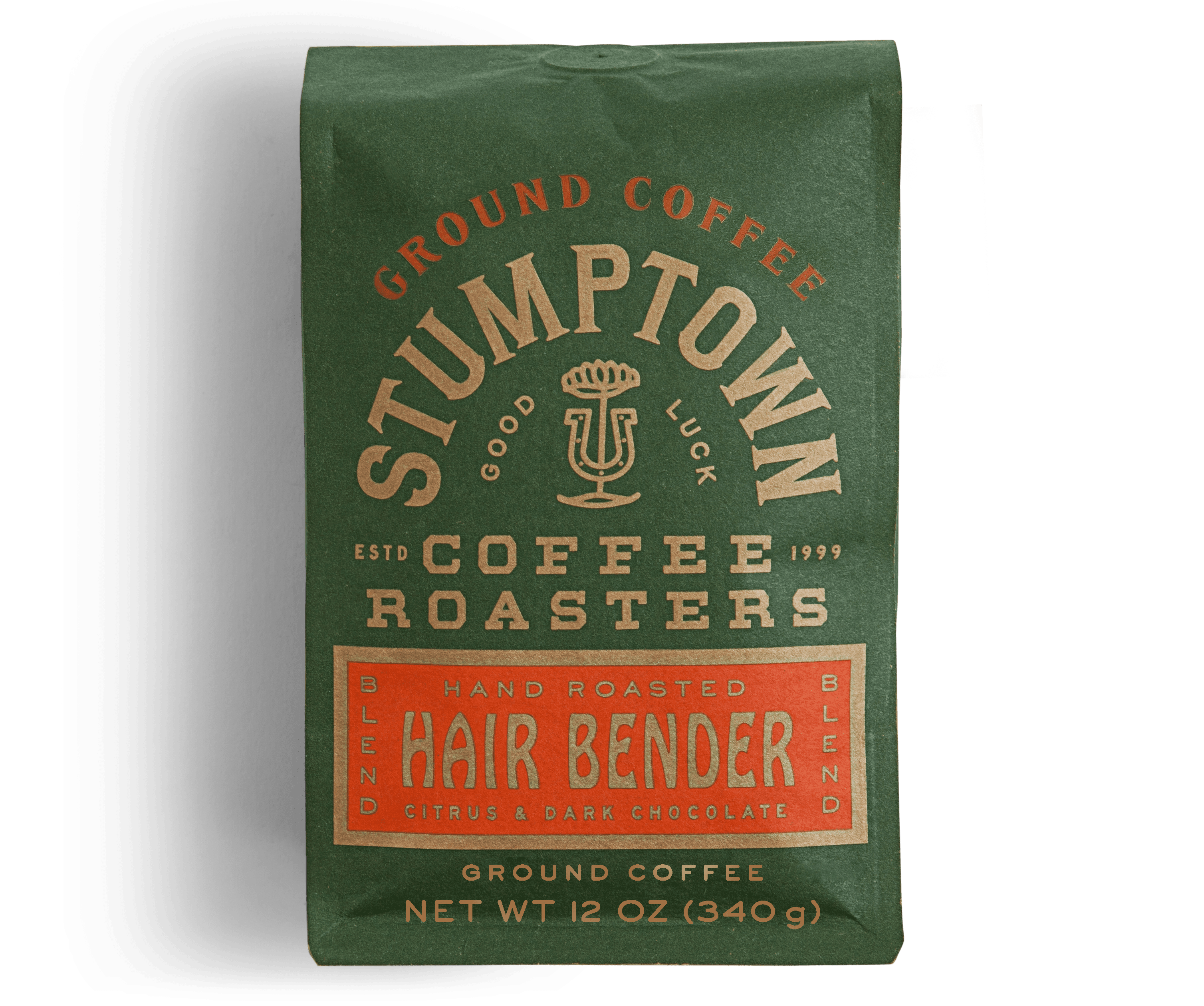
12 oz · Ground coffee · Drip
$19.00One-time purchase
Choose it for a drip brewer when citrus, dark chocolate and raisin are the roaster’s notes you want to try.
Skip it if you need French press or espresso grind, or decaf.
We may earn a commission if you buy. How our links work.
Product details: Ground Hair Bender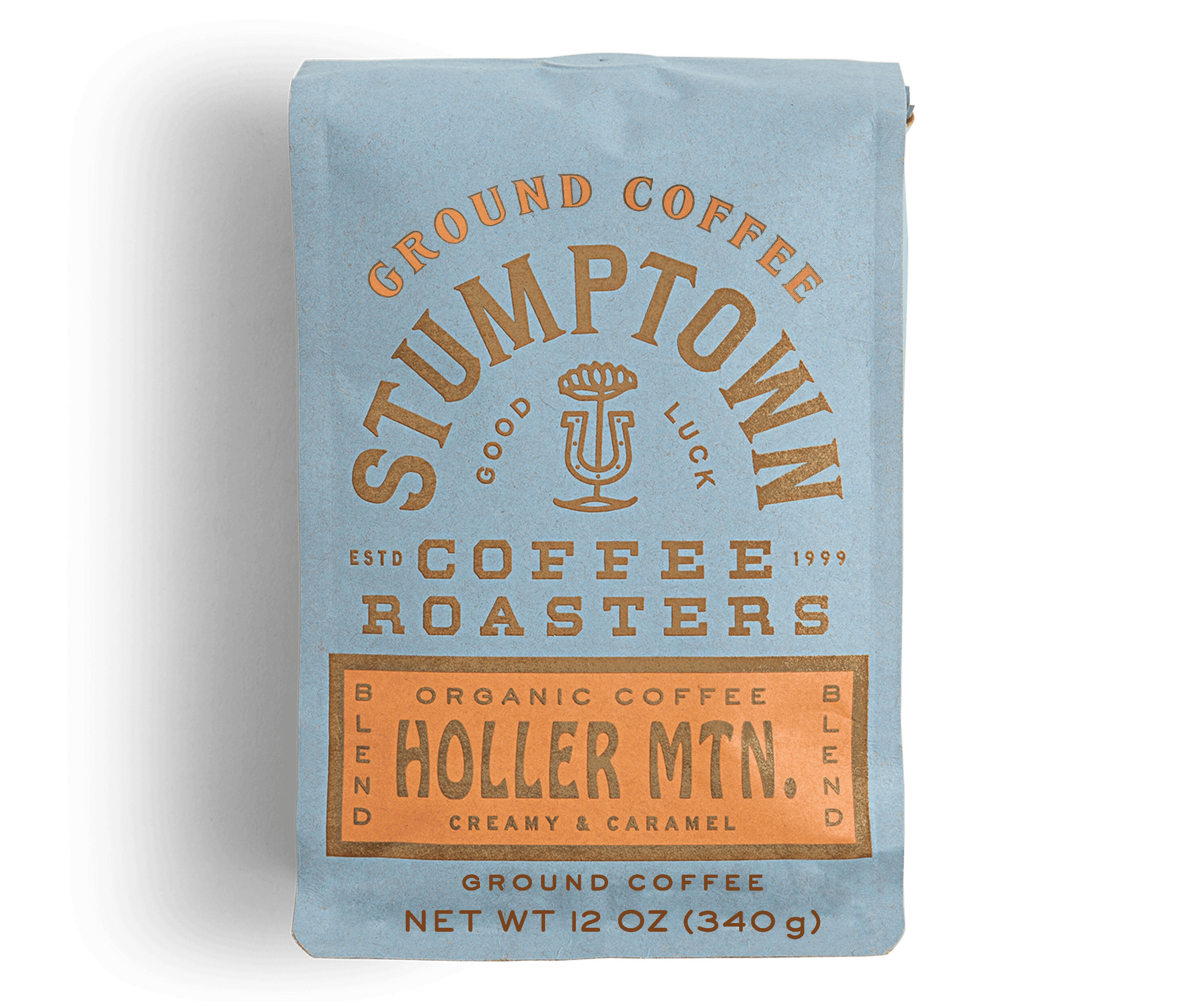
12 oz · Ground coffee · Drip or pour-over
$20.00One-time purchase
Choose it for automatic drip or pour-over when a medium grind and the roaster’s caramel-and-fruit description fit.
Skip it if you brew French press or espresso, or want decaf.
We may earn a commission if you buy. How our links work.
Product details: Ground Holler MountainA grinder you already use or a confirmed shop service can make whole bean practical. These are the matching 12 oz blends in whole-bean format.
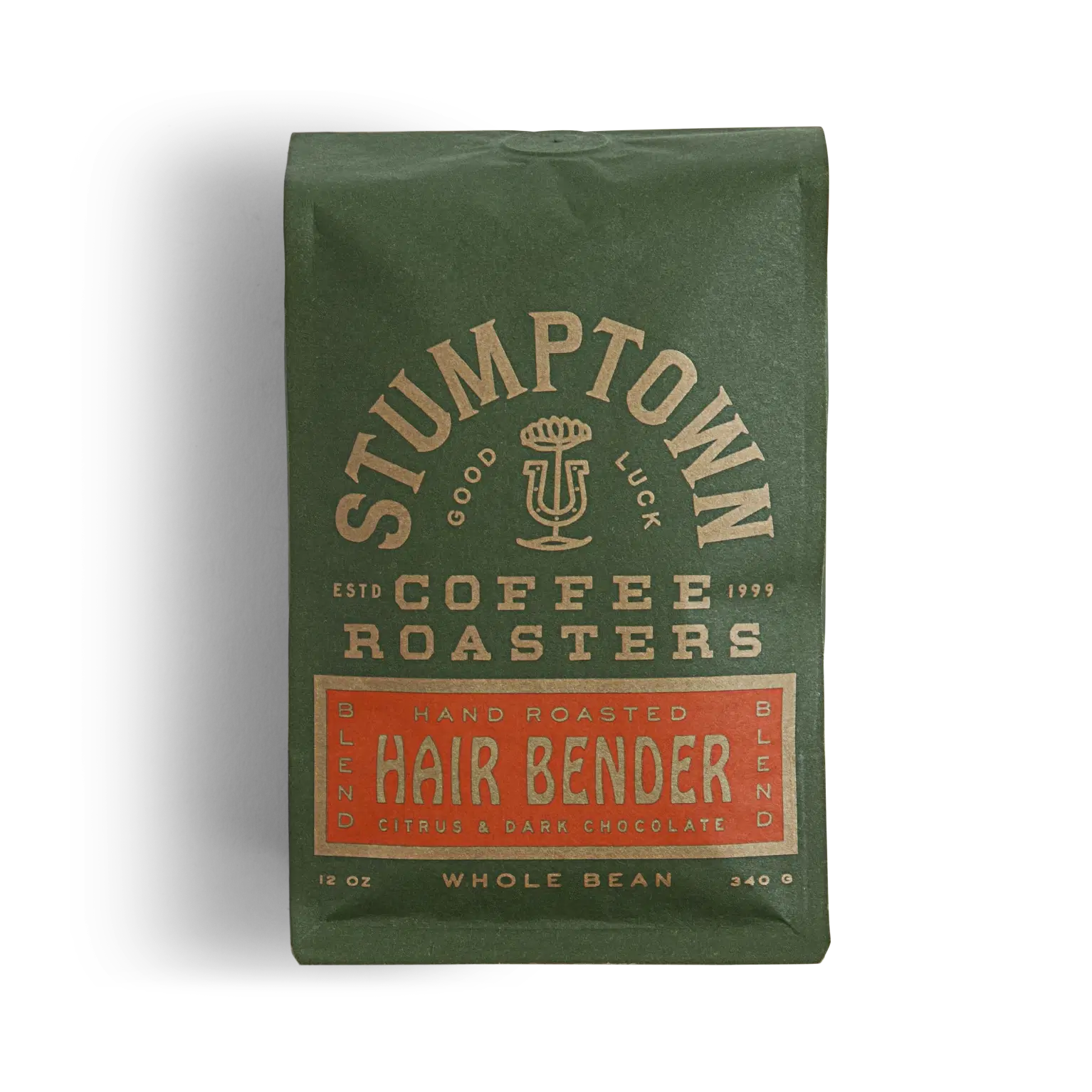
12 oz · Whole bean · Regular
$19.00One-time purchase
Choose it if you have grinding access and want to set the grind for your brewer.
Skip it if you have no practical way to grind it.
We may earn a commission if you buy. How our links work.
Product details: Hair Bender, whole bean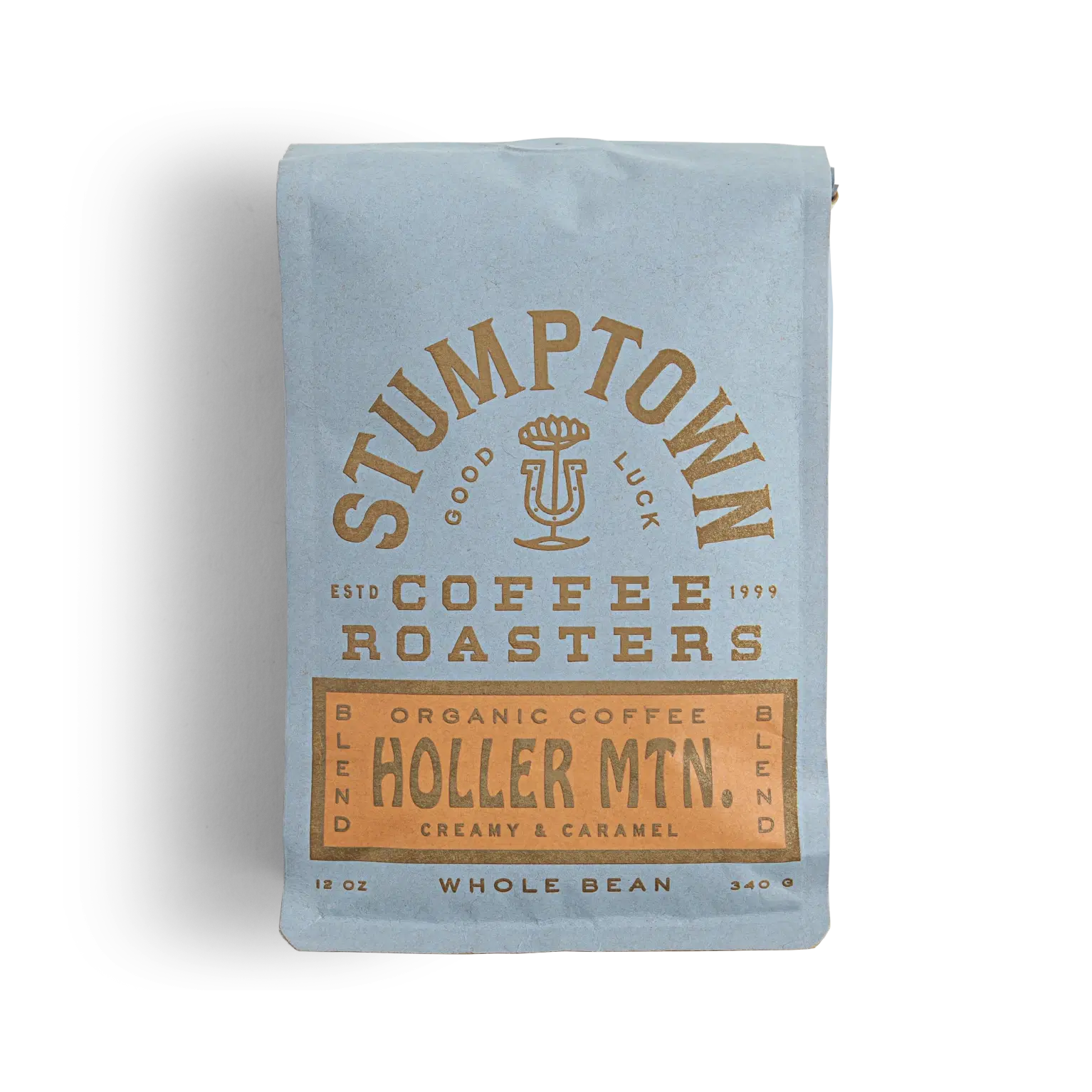
12 oz · Whole bean · Organic
$20.00One-time purchase
Choose it if grinding is covered and you want the same blend in whole-bean format.
Skip it if grinding would add a step you cannot use.
We may earn a commission if you buy. How our links work.
Product details: Holler Mountain, whole beanA working grinder, suitable ground coffee or a confirmed grinding service that already gets the job done.
The bag’s grind option or the question you ask the roaster, before changing equipment.
A grinder bought without a specific unmet need, or whole beans with no practical way to grind them.
Product sources marked as affiliate links may earn us a commission. Prices are for the item alone. Confirm the current price, shipping and tax with the shop.
Coffee descriptions and flavor notes come from Stumptown.